1. Fundamental Operating Principle of Aseptizer CW1000 Flex
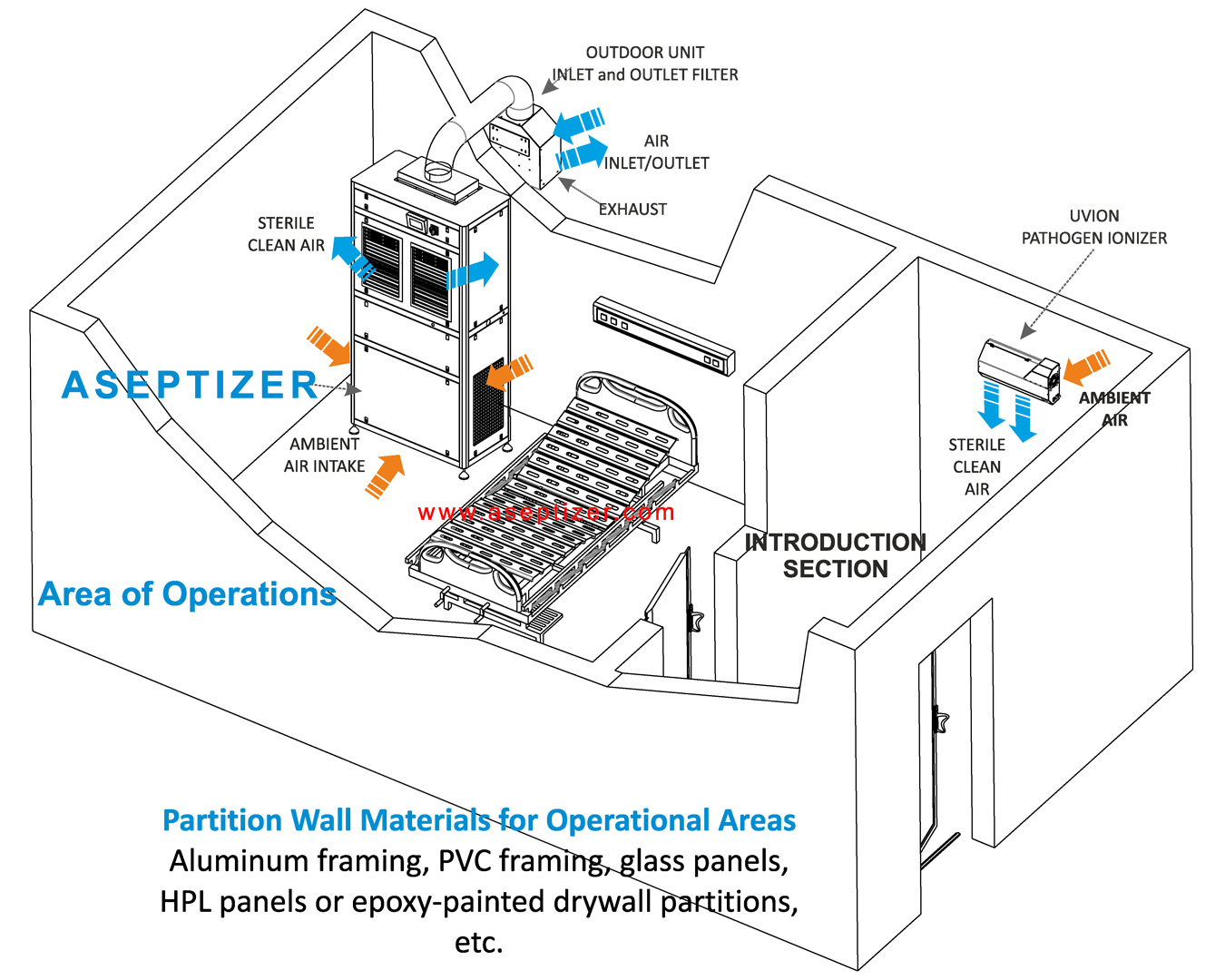
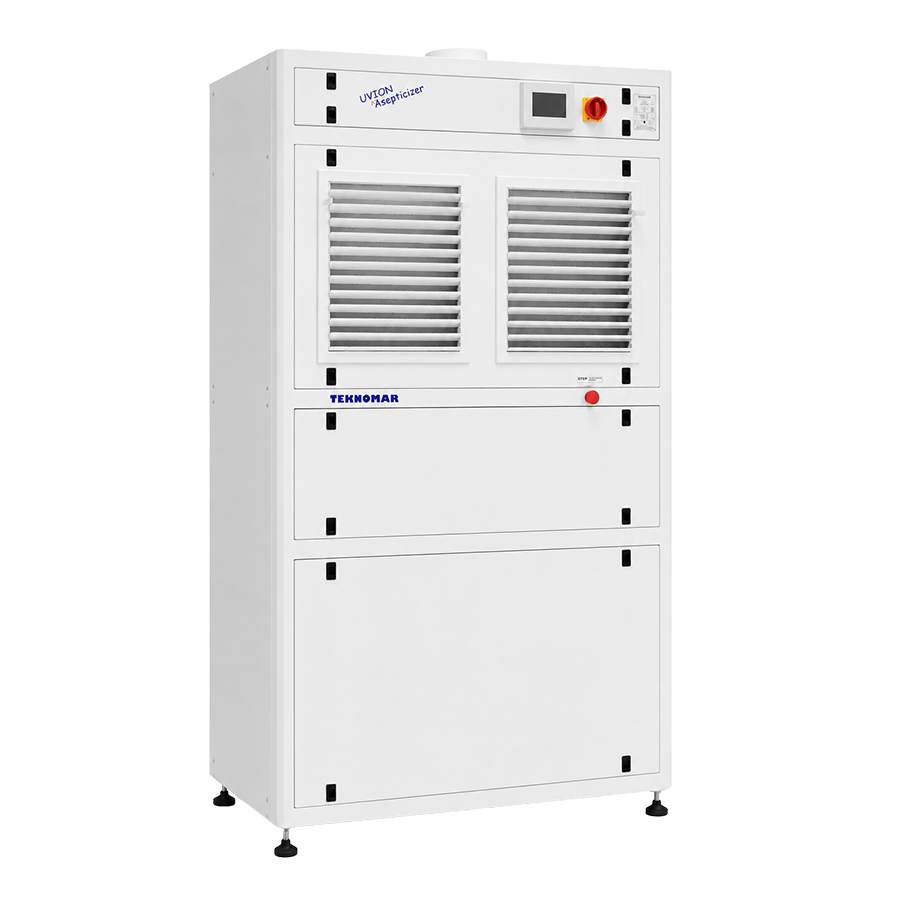
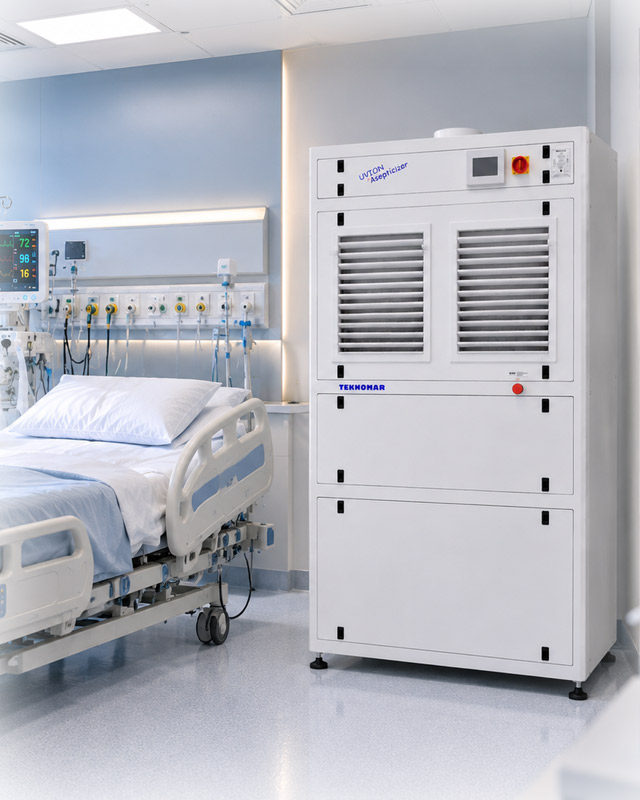
Thanks to the architecture embedded in its automation infrastructure, the device operates in two different pressure regimes. In Negative Pressure Mode, it draws in the room air, renders it safe, and discharges that component to the outside, preventing infected air from escaping into the corridor. In Positive Pressure Mode, it filters fresh air and supplies it into the room, making it impossible for contaminated outside air to infiltrate.
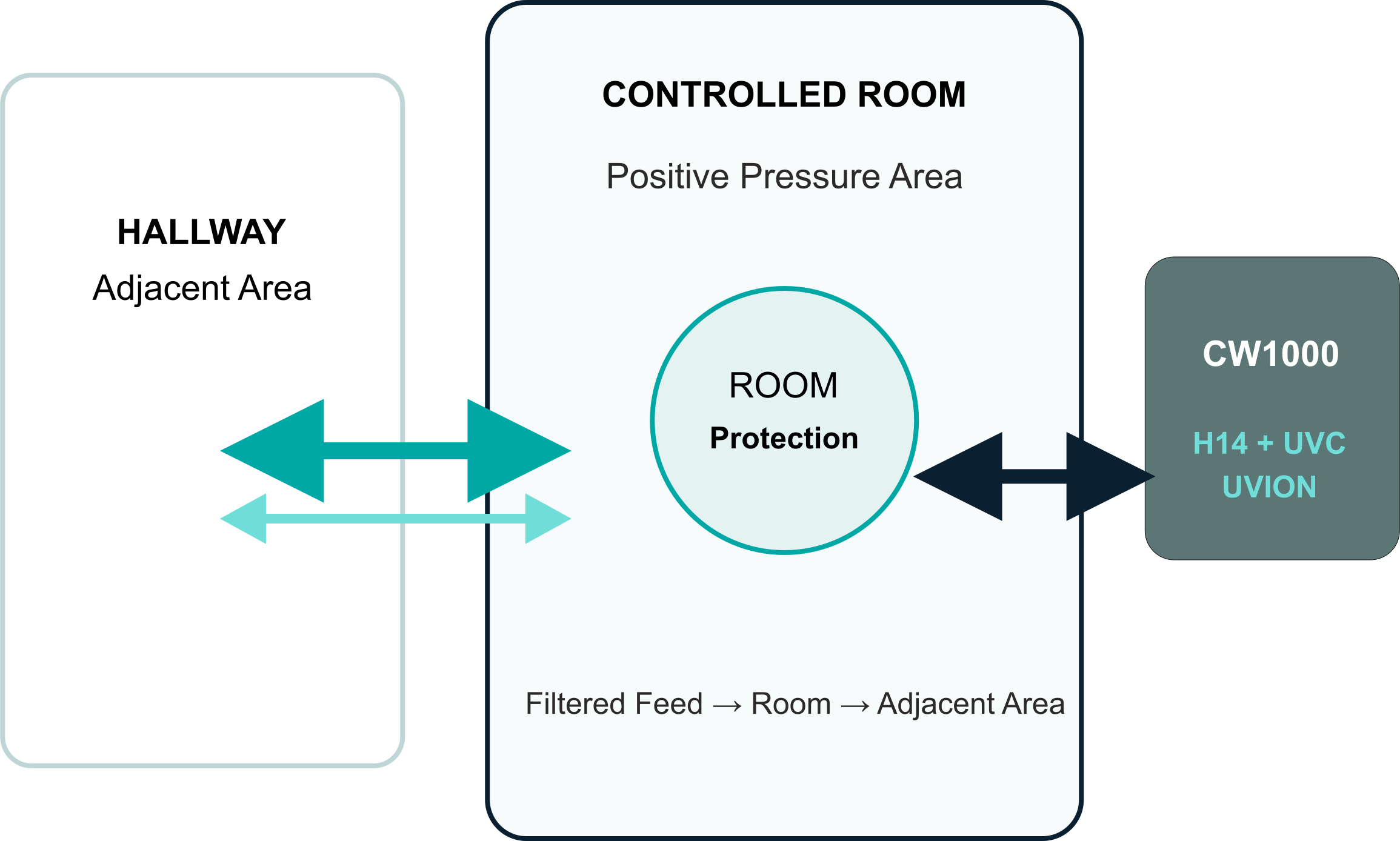
2. Positive Pressure Operating Mode (PROTECTION)
- Purpose: To prevent the entry of particles, bacteria, and viruses into the room from the outside environment or the corridor.
- How It Works: The room pressure is maintained higher than that of the corridor and the outside environment. When the door is opened, the clean air inside that the Aseptizer CW1000 has treated flows outward, and the entry of contaminated outside air is physically prevented. The indoor air is kept free of microorganisms and particles at all times.
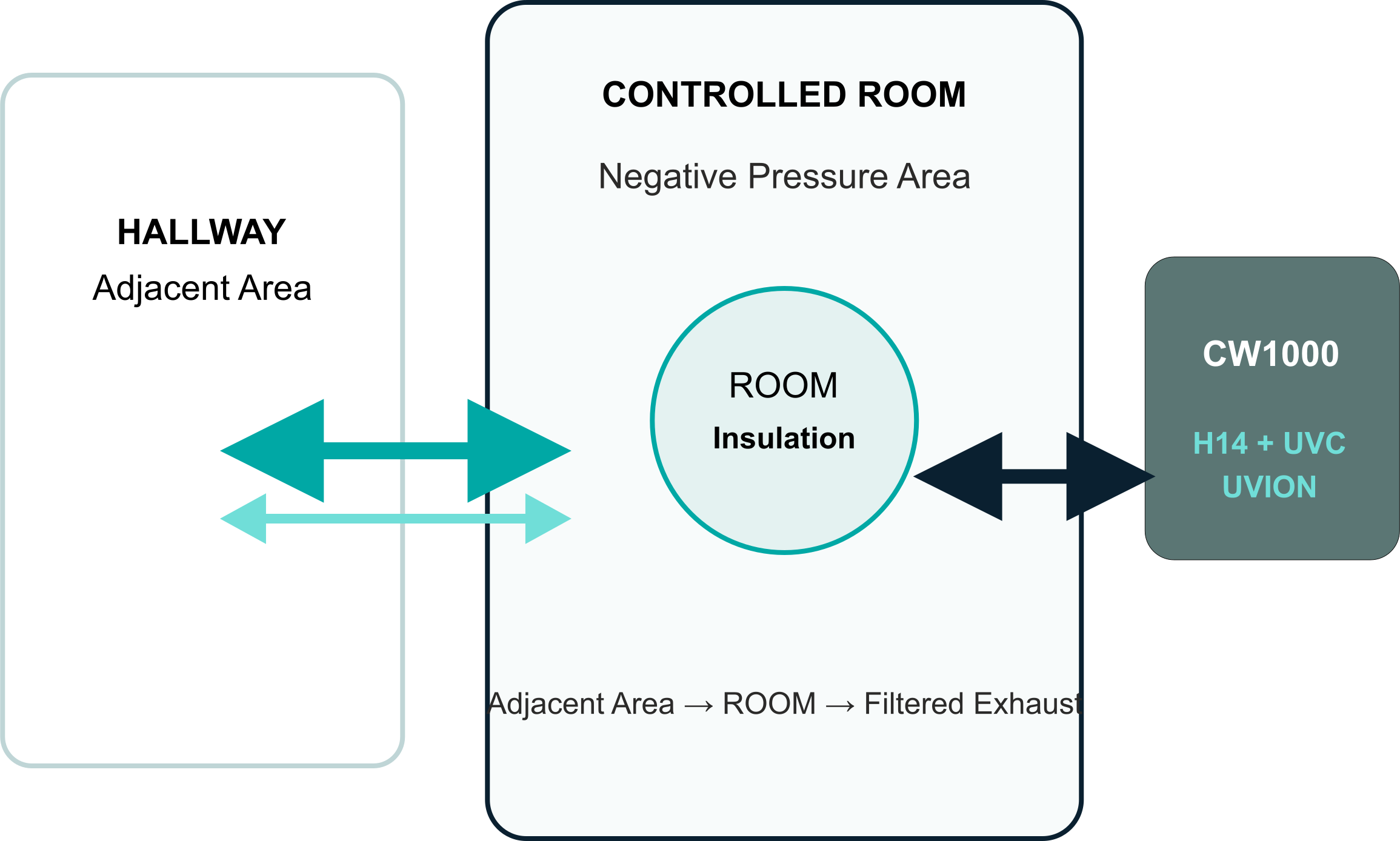
3. Negative Pressure Operating Mode (ISOLATION)
- Purpose: To prevent infected, odorous, or hazardous air in the same room from spreading into the building, outside the building, and into the corridors.
- How It Works: The room air is continuously maintained under negative pressure. The air inside the room is purified by being passed through H14 HEPA, UVC, and UVION plasma layers. While a portion is filtered and recirculated indoors, the 600 m³/h component is safely discharged to the outside of the building, free of microorganisms.